
Zorba is an important mixed non-ferrous metal stream in the recycling industry. It is commonly generated from scrap metal processing, auto shredding, mixed waste treatment, and other recycling operations. Zorba usually contains aluminum, copper, brass, zinc, stainless steel, wires, plastics, rubber, and other impurities.
Because the material composition is complex, Zorba separation requires more than a single machine. A stable and efficient sorting process is essential for improving metal recovery, increasing material purity, and reducing the loss of valuable non-ferrous metals.
For recycling plants processing mixed scrap, ASR, aluminum scrap, or non-ferrous metal streams, improving Zorba separation can directly increase the value of recovered materials.
What Is Zorba in Scrap Recycling?
Zorba refers to a mixture of shredded non-ferrous metals, usually dominated by aluminum but also containing copper, brass, zinc, stainless steel, and other materials. It may also include non-metallic impurities such as plastics, rubber, foam, glass, and dust.
In many recycling operations, Zorba is not a final high-purity product. It is an intermediate material that often requires further separation and upgrading. The goal is to recover valuable metals more accurately and reduce contamination in the final product.
A cleaner Zorba stream can help recycling plants improve product value and prepare materials for downstream refining or further sorting.
Why Zorba Separation Is Challenging
Zorba separation is difficult because the material contains many different metals and impurities in similar size ranges. Some metals are conductive, some are MAGNETic, and some may not respond well to basic separation methods.
Common challenges include:
Mixed aluminum, copper, brass, zinc, and stainless steel
Plastic, rubber, and glass contamination
Different PARTICLE SIZES in one material stream
Fine materials mixed with larger pieces
Wires and irregular-shaped metals
Ferrous metal contamination
Low purity after basic separation
Metal loss in residue
If the material is not properly prepared, valuable metals may be lost during separation. This can reduce recovery efficiency and lower the value of the final product.
The Role of Screening in Zorba Processing
Before MAGNETic separation or eddy current separation, material size control is very important. A TROMMEL screen can help divide mixed scrap into suitable size fractions and improve feeding stability.
Screening helps the downstream equipment work more effectively. If oversized materials, fine particles, and mixed-size materials are all processed together, separation accuracy may be reduced.
TROMMEL screening can help:
Control material size before separation
Improve material flow
Reduce overload on downstream equipment
Prepare material for magnetic separation
Improve eddy current separation performance
Support better final product quality
For Zorba processing, screening is often an important first step in building a stable sorting line.
Magnetic Separation Before Non-Ferrous Recovery
Although Zorba is mainly a non-ferrous metal stream, it may still contain ferrous metals such as iron and steel. These materials should be removed before eddy current separation or further sorting.
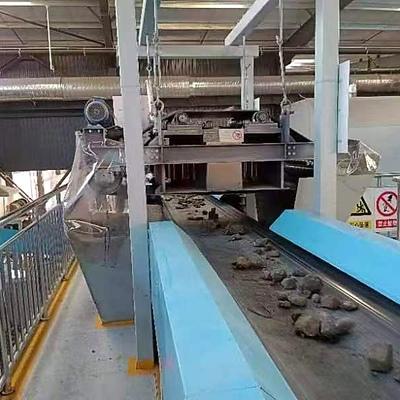
A MAGNETIC SEPARATOR can remove ferrous metals from the material stream and help protect downstream equipment. It also reduces contamination and improves the performance of later separation stages.
Magnetic separation can help:
Remove iron and steel contamination
Protect downstream equipment
Improve feed quality
Reduce unnecessary wear
Improve the stability of non-ferrous recovery
Create a cleaner material stream for further sorting
For many mixed scrap and Zorba applications, magnetic separation is not only a preparation step. It is part of the complete recovery process.
The Role of Eddy Current Separation in Zorba Recovery
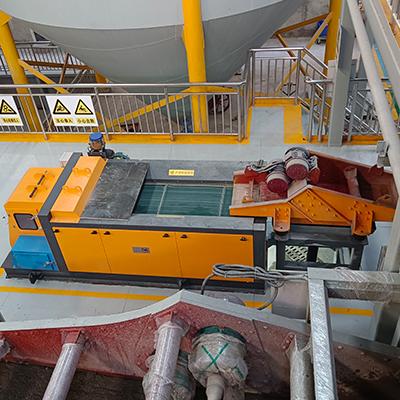
An EDDY CURRENT SEPARATOR is one of the key machines for recovering conductive non-ferrous metals from mixed materials. It can separate aluminum, copper, brass, and other conductive metals from non-metallic materials.
The machine uses a high-speed magnetic rotor to generate a changing magnetic field. When conductive metal particles pass through this field, they are ejected forward into a separate discharge area. Non-conductive materials follow a different path.
In Zorba processing, eddy current separation can help:
Recover valuable non-ferrous metals
Separate conductive metals from non-metallic impurities
Reduce metal loss in residue
Improve the value of recovered materials
Prepare material for further upgrading
Support higher recovery efficiency
For better results, the feed material should be evenly distributed on the belt. Stable feeding, proper particle size, belt speed, rotor configuration, and splitter adjustment all affect the final separation performance.
Where AI Sorting Can Add Value
After mechanical separation, some Zorba streams may still contain complex materials that are difficult to separate by magnetic or eddy current separation alone. This may include stainless steel, wires, circuit board pieces, different metal alloys, or material combinations that require more precise recognition.
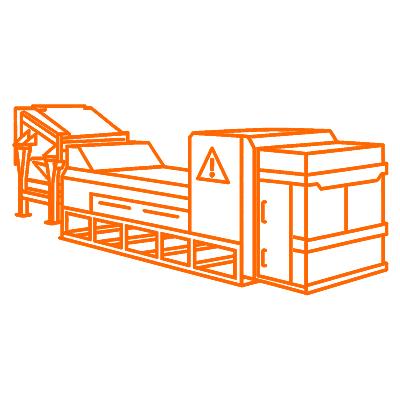
AI sorting equipment can help identify and separate materials based on shape, color, texture, and visual characteristics. It can be used as a further upgrading step after screening, magnetic separation, and eddy current separation.
AI sorting can help recycling plants:
Improve final product purity
Reduce manual sorting work
Identify complex material types
Separate high-value metals more accurately
Support flexible sorting requirements
Improve downstream product quality
For Zorba upgrading, AI sorting can be especially useful when customers need cleaner material streams and more precise separation results.
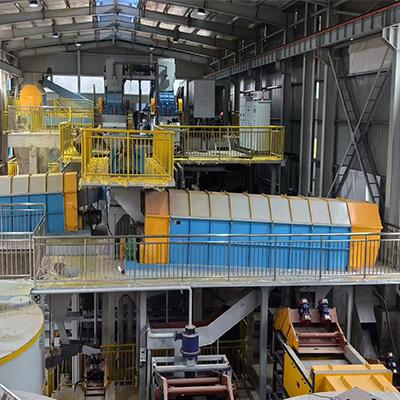
A Complete Zorba Sorting Process
A strong Zorba separation system usually combines several types of equipment instead of relying on one machine.
A typical process may include:
Feeding system
AI separator
Manual quality control
Conveying and discharge systems
Each machine has a specific function. The TROMMEL SCREEN controls material size. The magnetic separator removes ferrous metals. The eddy current separator recovers conductive non-ferrous metals. The AI separator can further upgrade the material by identifying and separating complex material types.
This complete process helps recycling plants improve recovery rate, reduce contamination, and create higher-value recovered materials.
Key Factors That Affect Zorba Separation Performance
The performance of a Zorba sorting line depends on both the equipment and the material condition.
Important factors include:
Material size range
Material moisture
Feed layer thickness
Feeding stability
Screen hole size
Magnetic separation efficiency
Eddy current rotor speed
Belt speed
Splitter position
Material composition
Target product quality
Downstream processing requirements
If the material is too wet, too sticky, too fine, or unevenly distributed, the sorting result may be reduced. A good process should be designed based on the actual material condition and recovery target of the recycling plant.
Benefits of Better Zorba Separation
Improving Zorba separation can bring practical value to recycling operators.
Main benefits include:
Higher non-ferrous metal recovery
Cleaner aluminum-rich material
Reduced metal loss in residue
Better product purity
Lower manual sorting demand
More stable plant operation
Higher recovered material value
Better preparation for downstream upgrading
For recycling plants, Zorba separation is not only about removing impurities. It is about capturing more value from mixed scrap streams.
CurrenTek Zorba Separation Solutions
CurrenTek provides recycling sorting equipment and complete process solutions for Zorba separation and mixed scrap recovery. Our equipment includes eddy current separators, magnetic separators, trommel screens, AI separators, and complete sorting systems.
CurrenTek equipment can be used for:
Zorba separation
Mixed scrap processing
ASR recycling
Aluminum recovery
Copper and brass recovery
Non-ferrous metal recovery
Plastic and metal separation
Downstream material upgrading
Instead of only supplying a single machine, CurrenTek can help recycling operators choose a suitable equipment combination based on material type, capacity, particle size, contamination level, and recovery goals.
Improve Zorba Recovery with a Better Sorting Process
As recycling materials become more complex, recycling plants need more stable and efficient sorting systems. For Zorba processing, a complete sorting process can help recover more valuable metals, improve material purity, and reduce losses.
Screening, magnetic separation, eddy current separation, and AI sorting can work together to improve the quality and value of recovered materials.
For recycling operators handling Zorba, ASR, mixed scrap, aluminum scrap, or non-ferrous metal streams, CurrenTek can help design a suitable sorting solution.
Contact CurrenTek to discuss your material type, capacity, particle size, and recovery target.
